In the shadows of Belene
The place remains. The people are gone. The memory is still there.
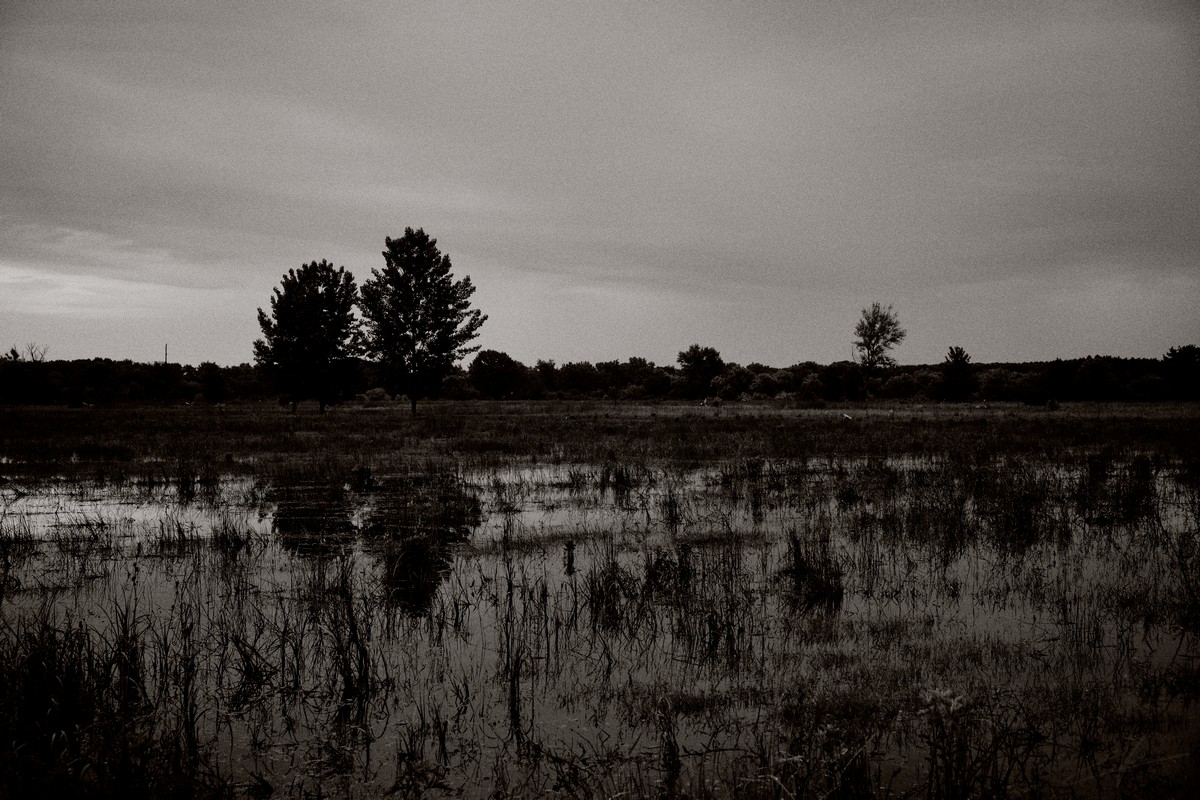
On an island in the Danube, surrounded by water, reeds and silence, there are traces of a place that once held thousands of people against their will.
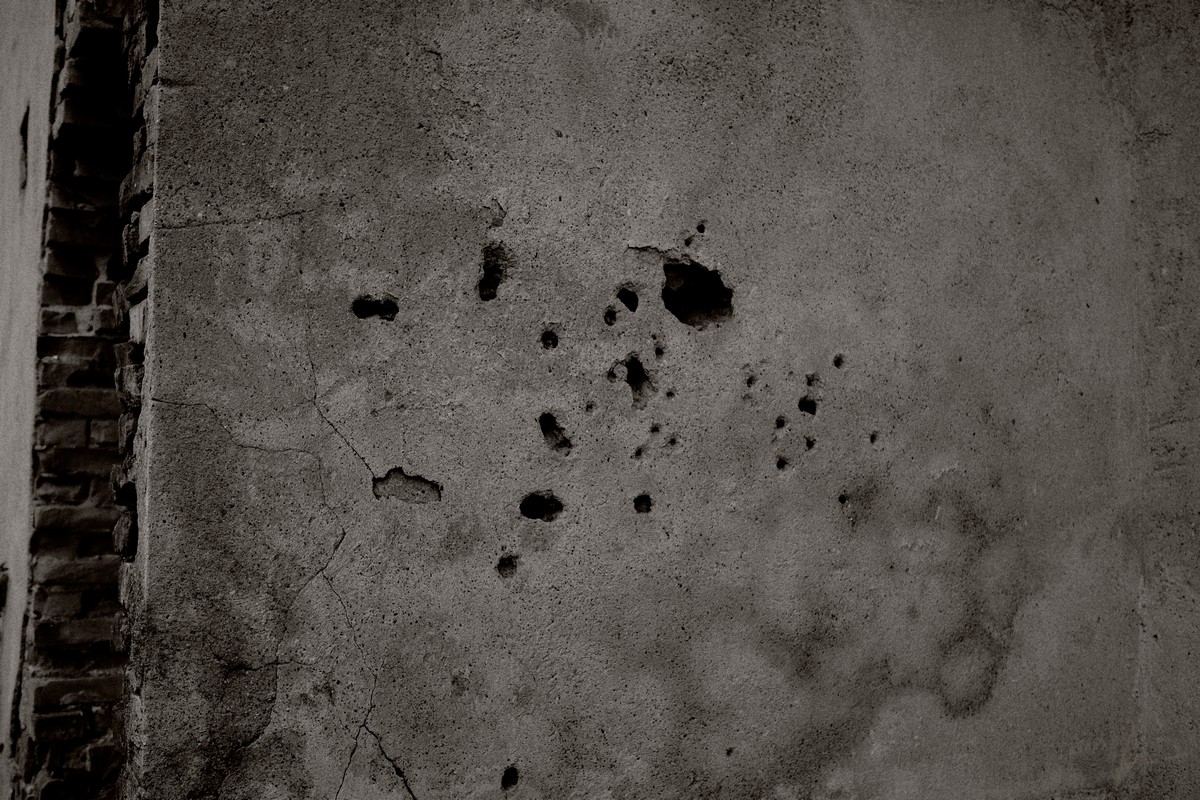
Belene was established in 1949 by the communist authorities as a camp for people considered enemies of the regime. Political opponents, intellectuals, clergy, farmers, military officers and others were imprisoned without a normal judicial process and subjected to forced labor, hunger, violence and humiliation. The camp became the largest and one of the longest-lasting sites of political repression in communist Bulgaria.
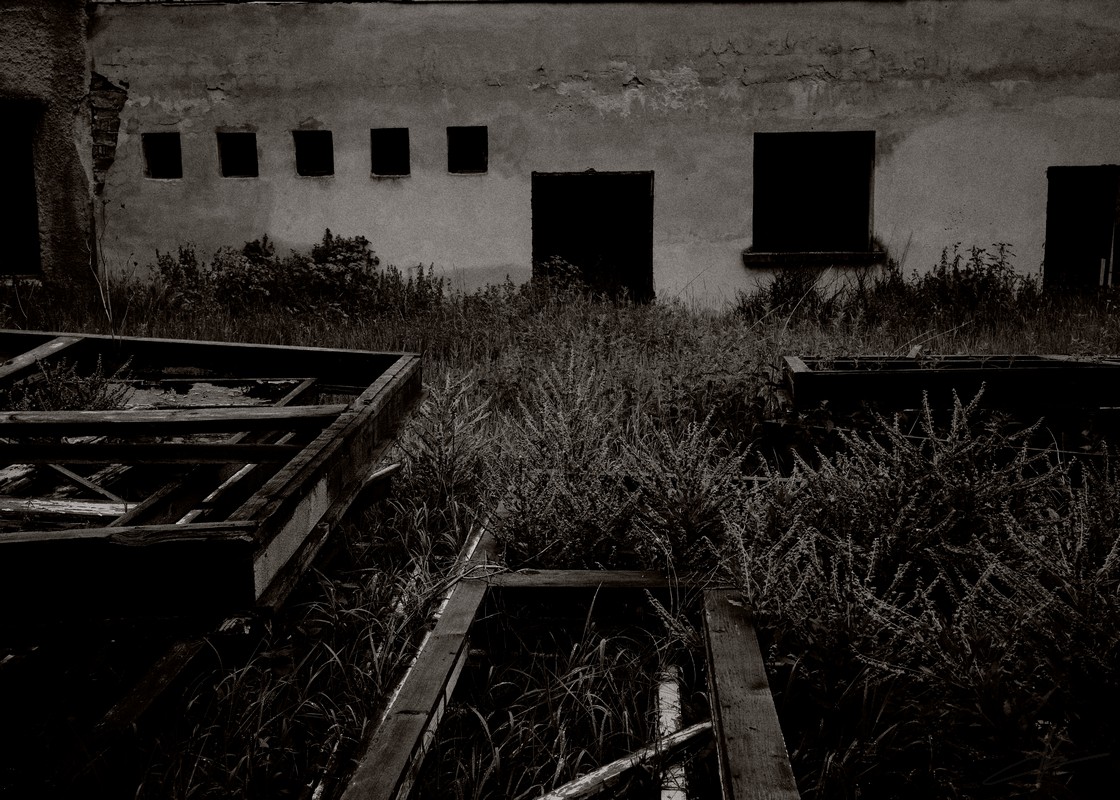
Today, much of the camp has disappeared.
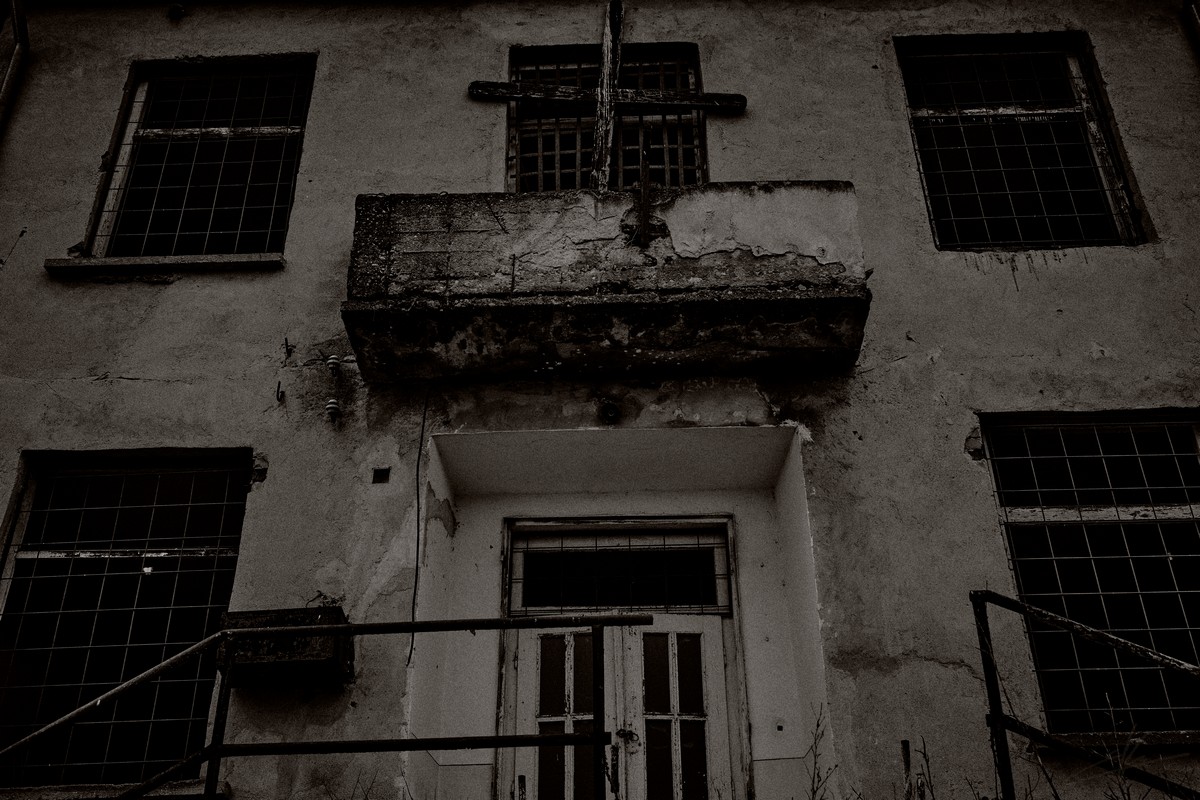
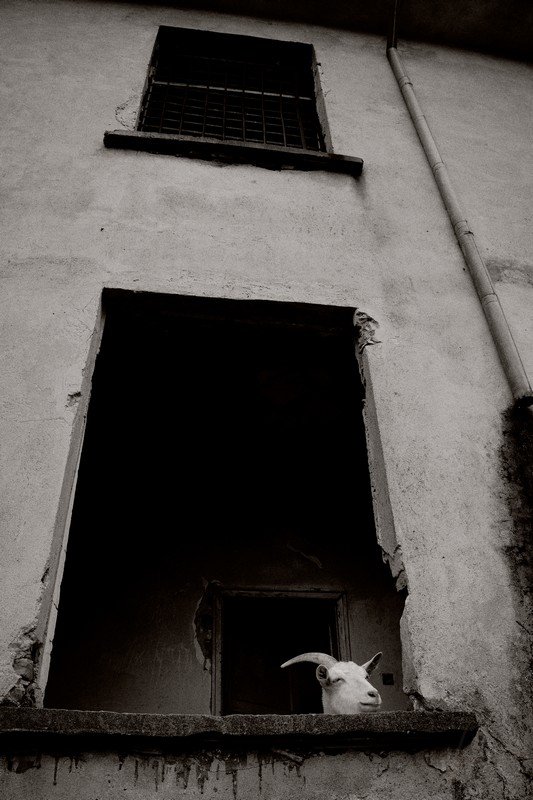
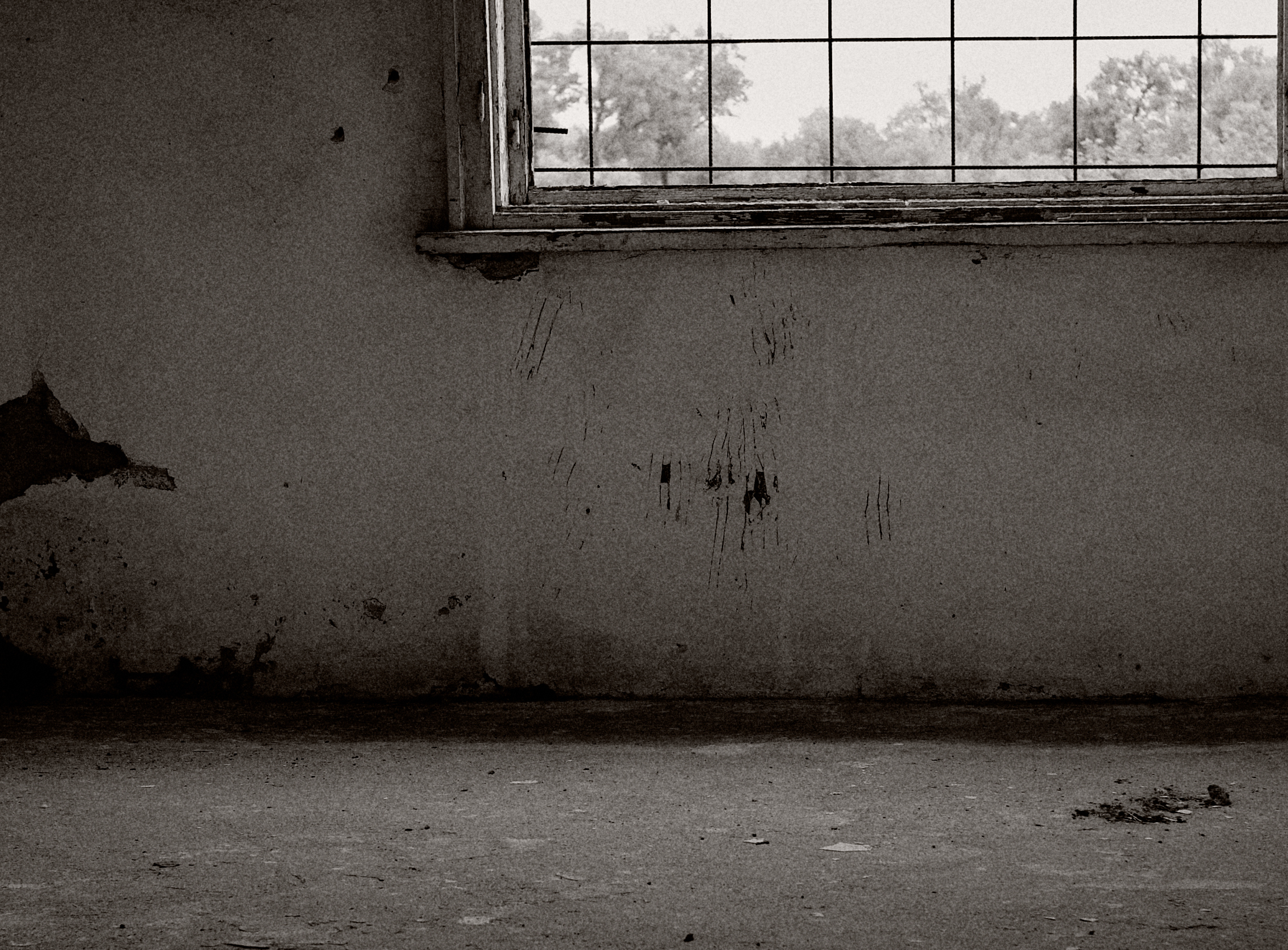
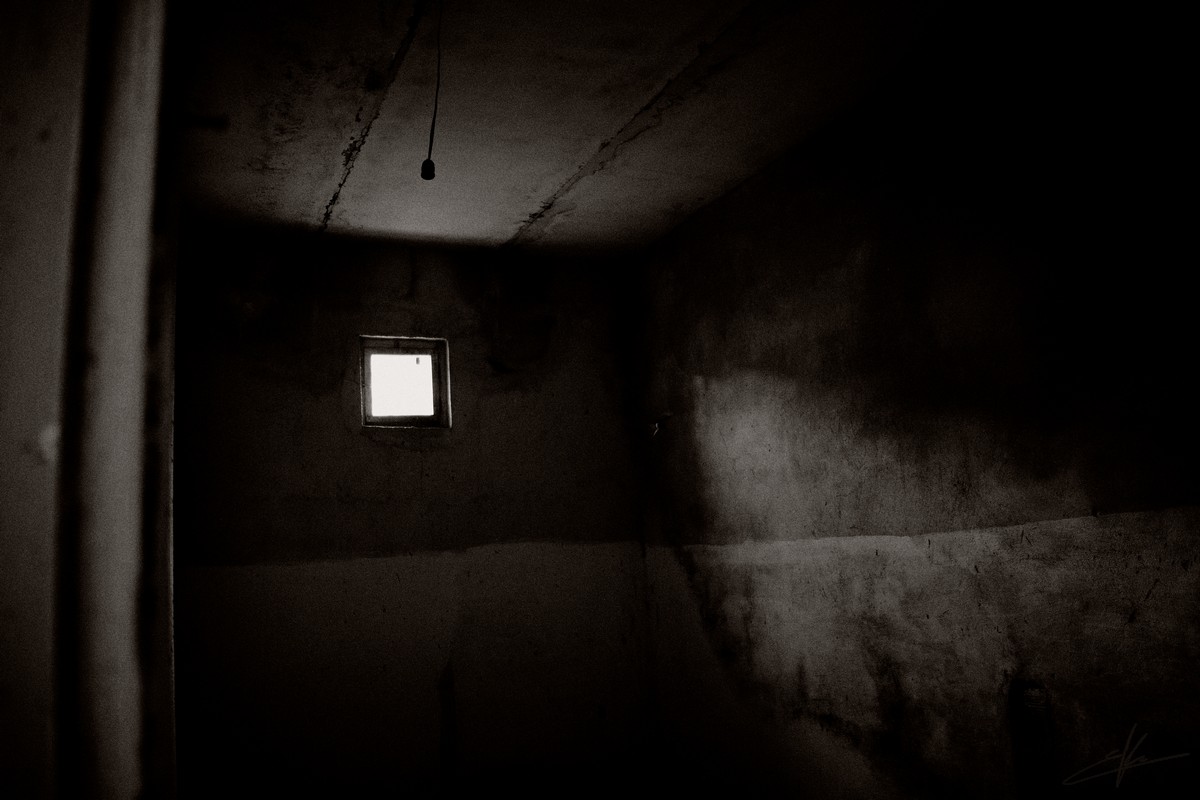
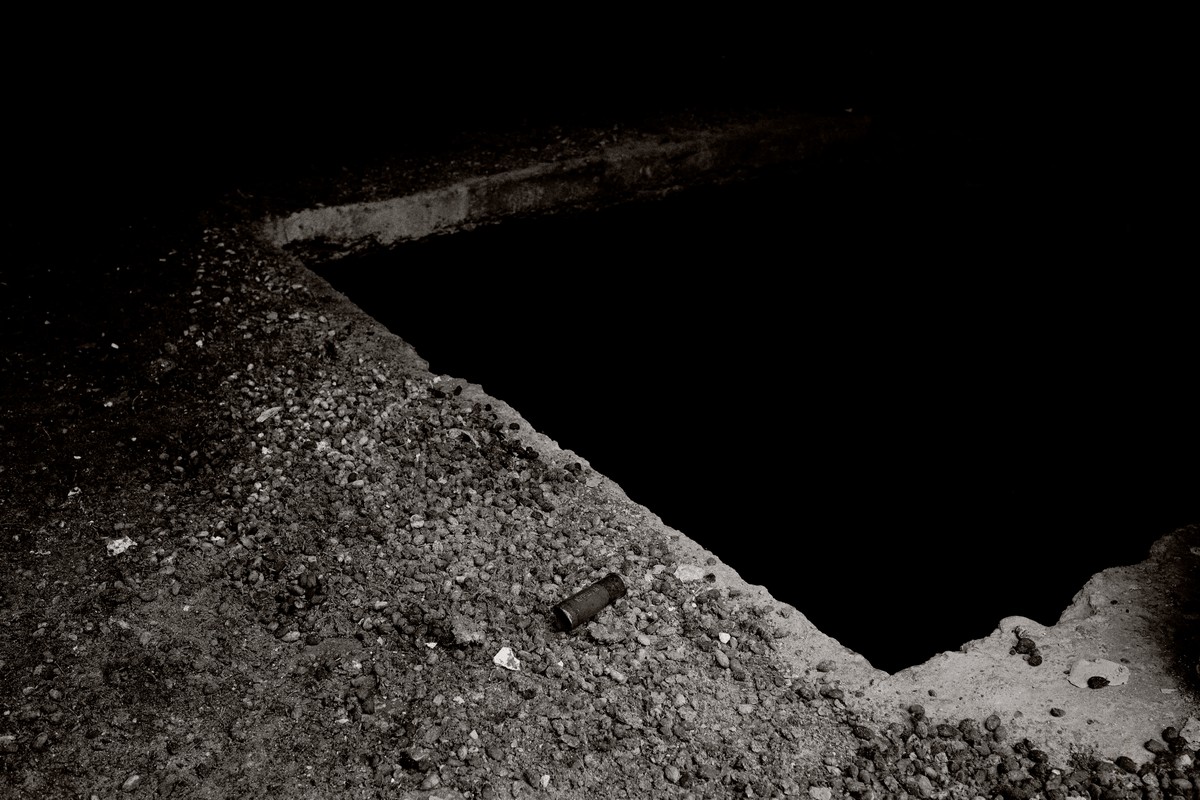
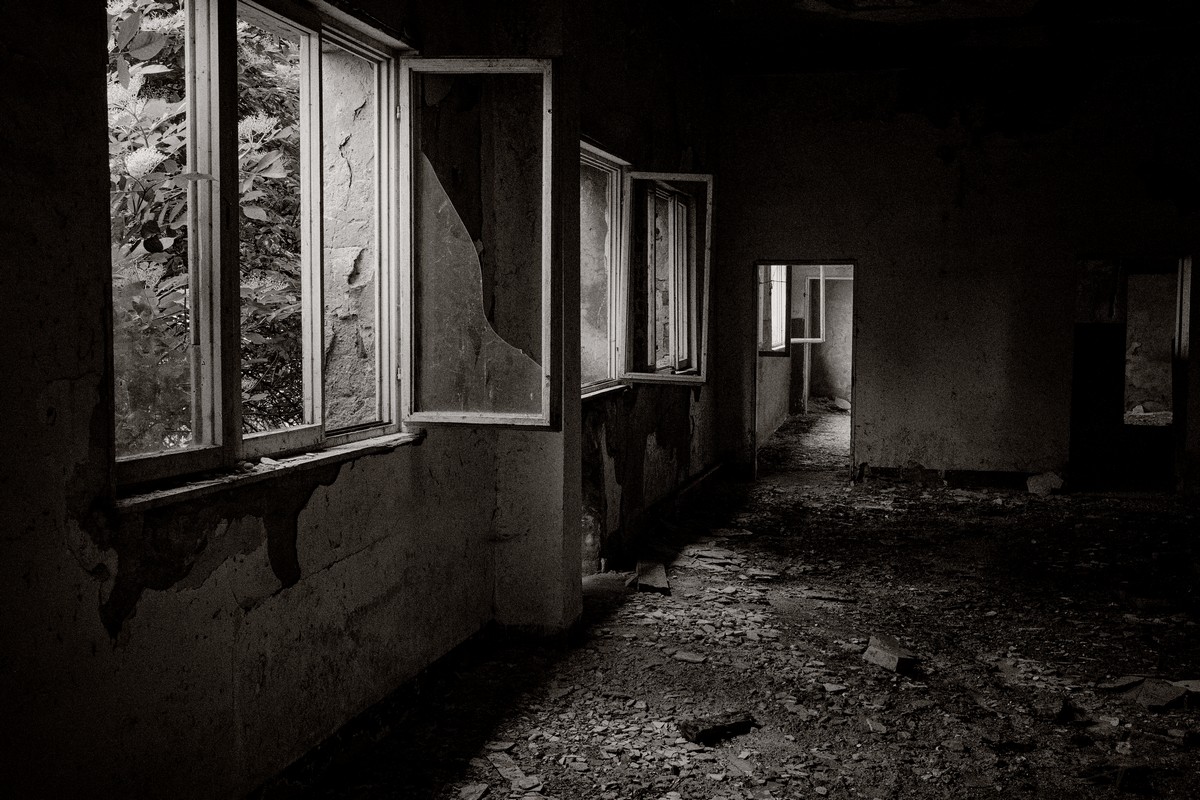
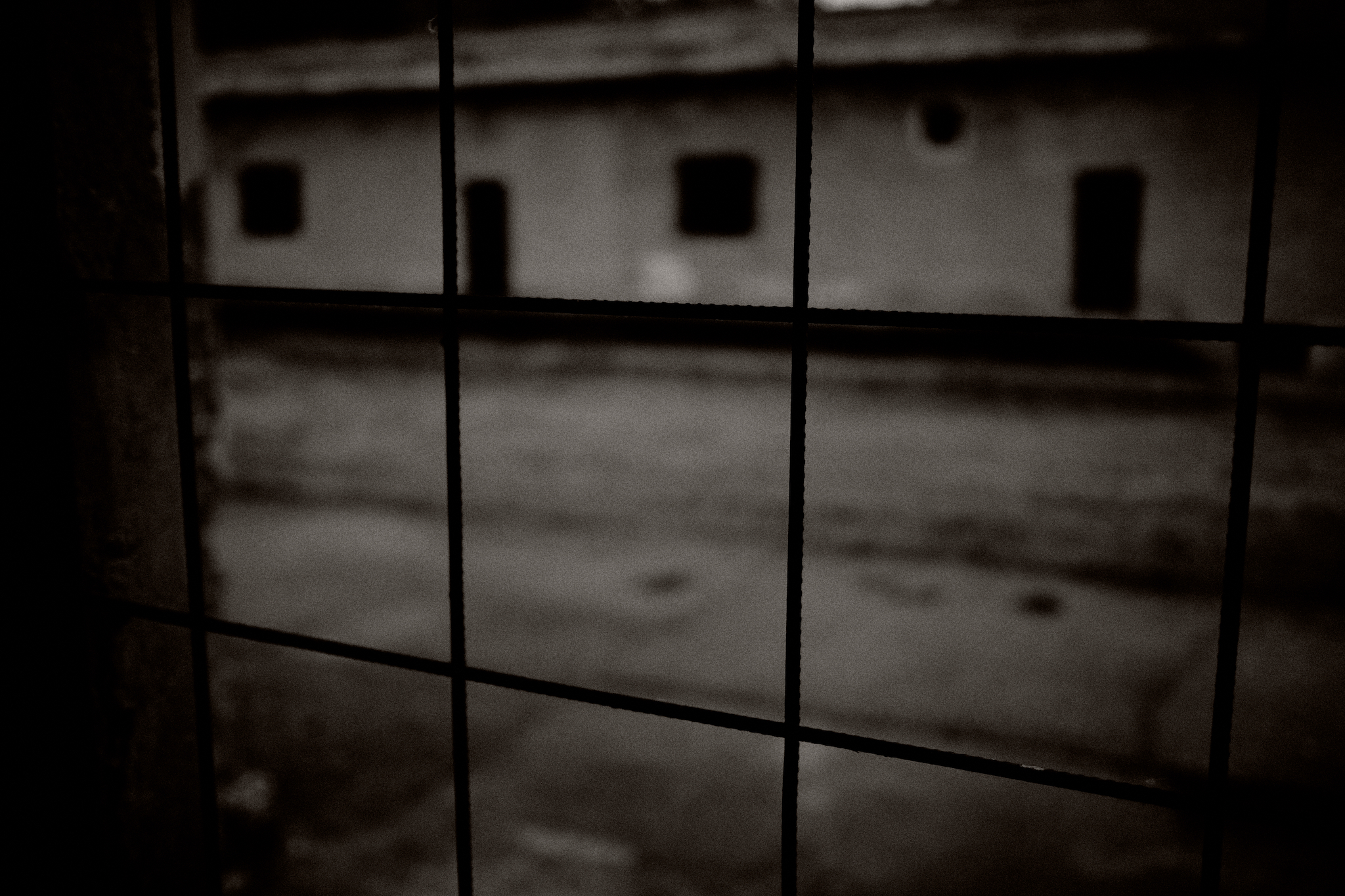
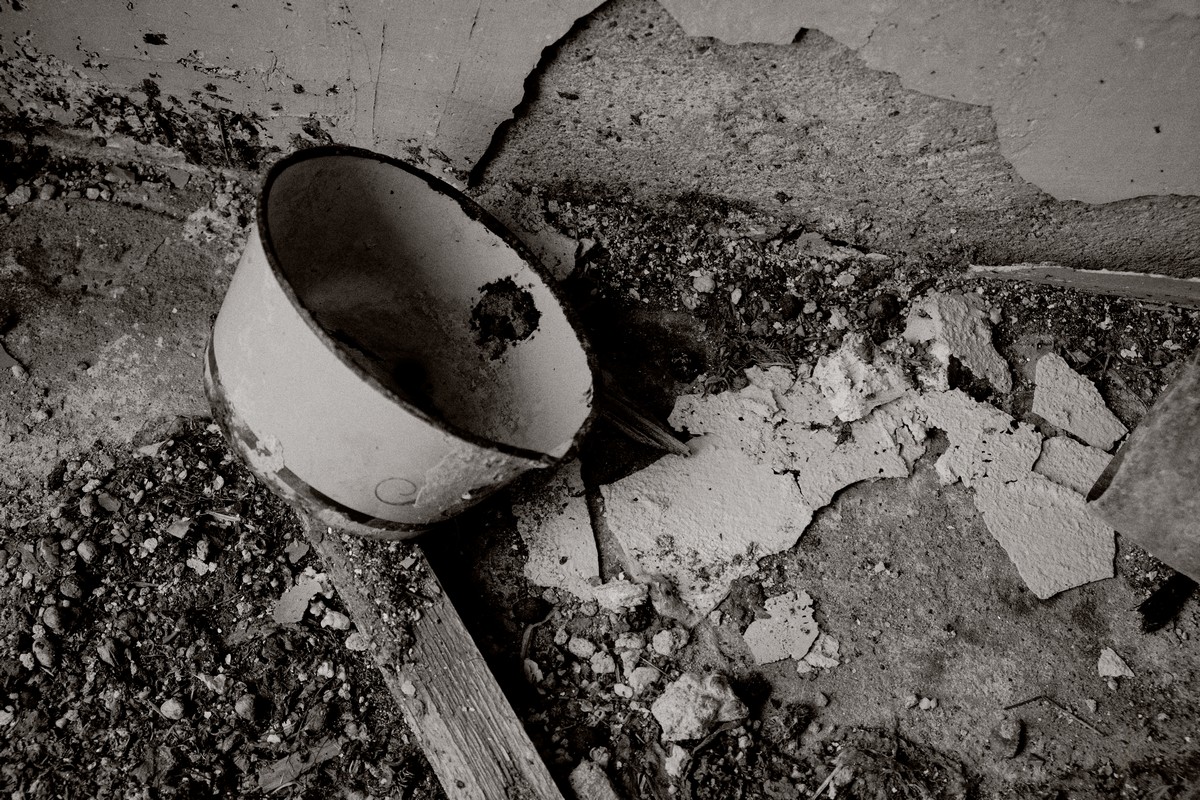
The buildings have decayed. Paths have been reclaimed by vegetation. The fences and structures that once controlled the movement of prisoners are largely gone. What remains is a landscape — quiet, green and seemingly ordinary.
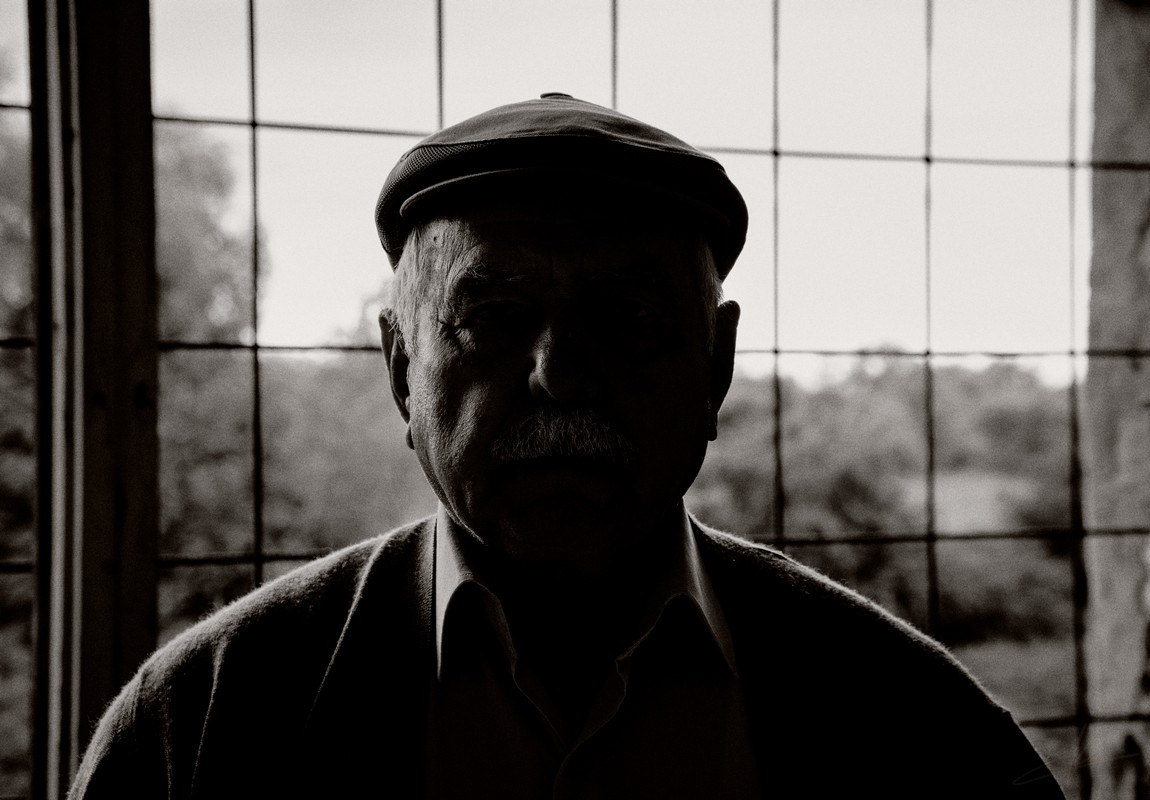
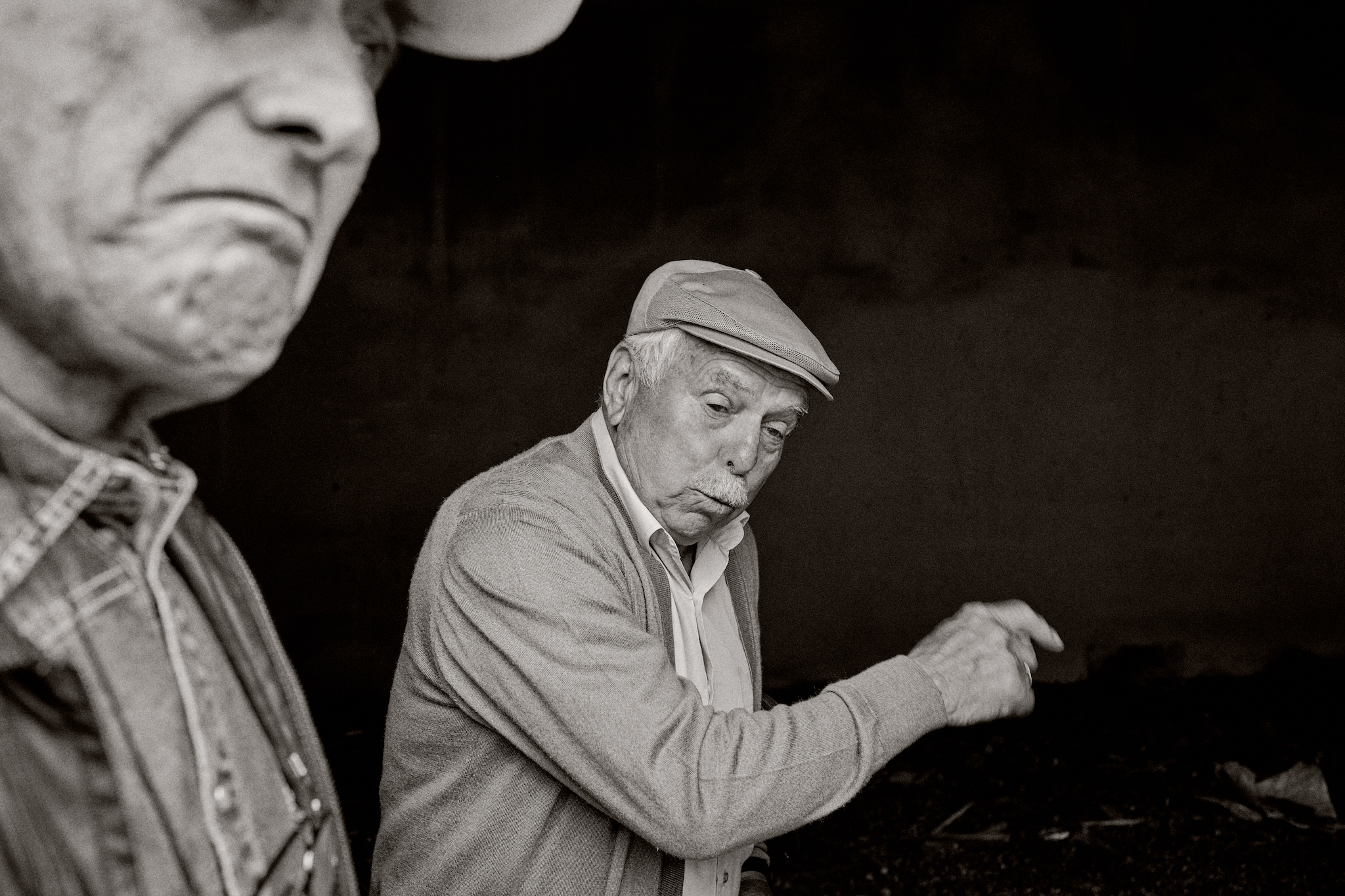
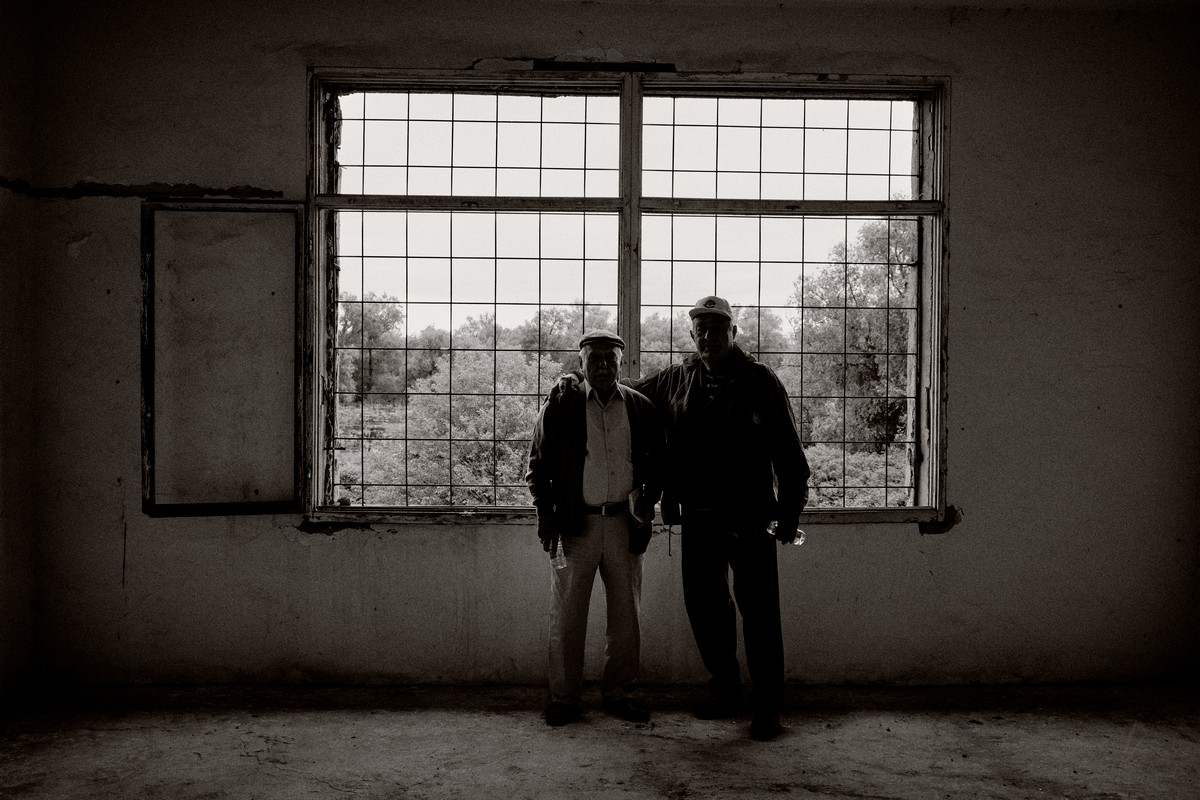
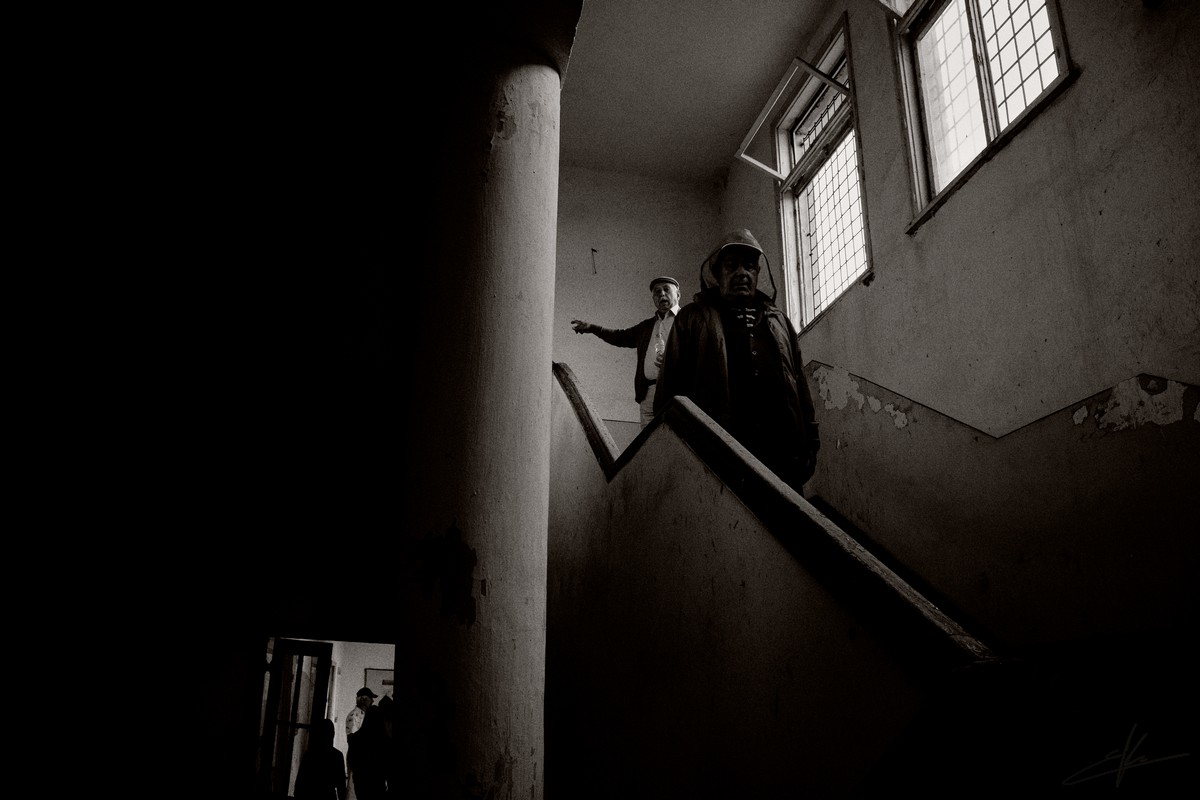
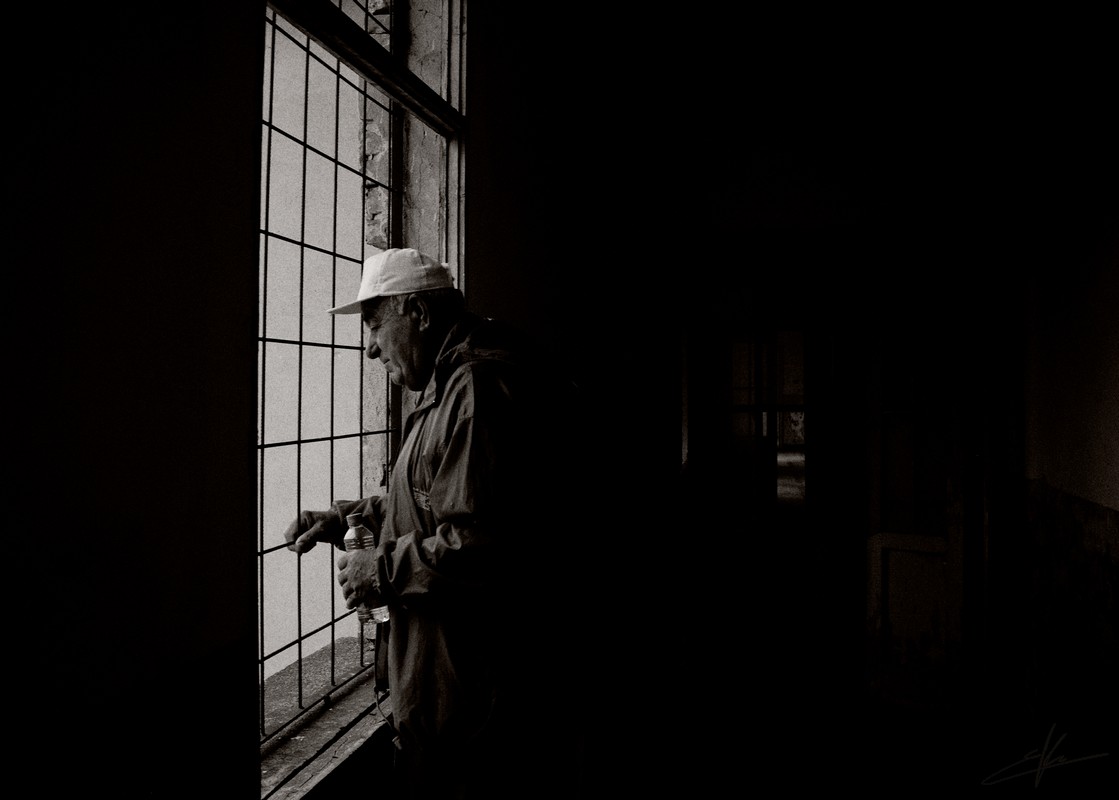
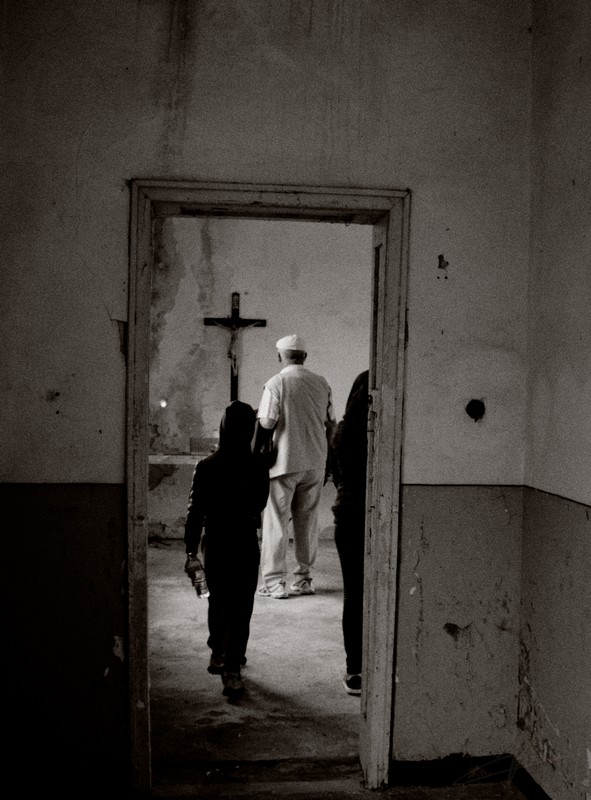
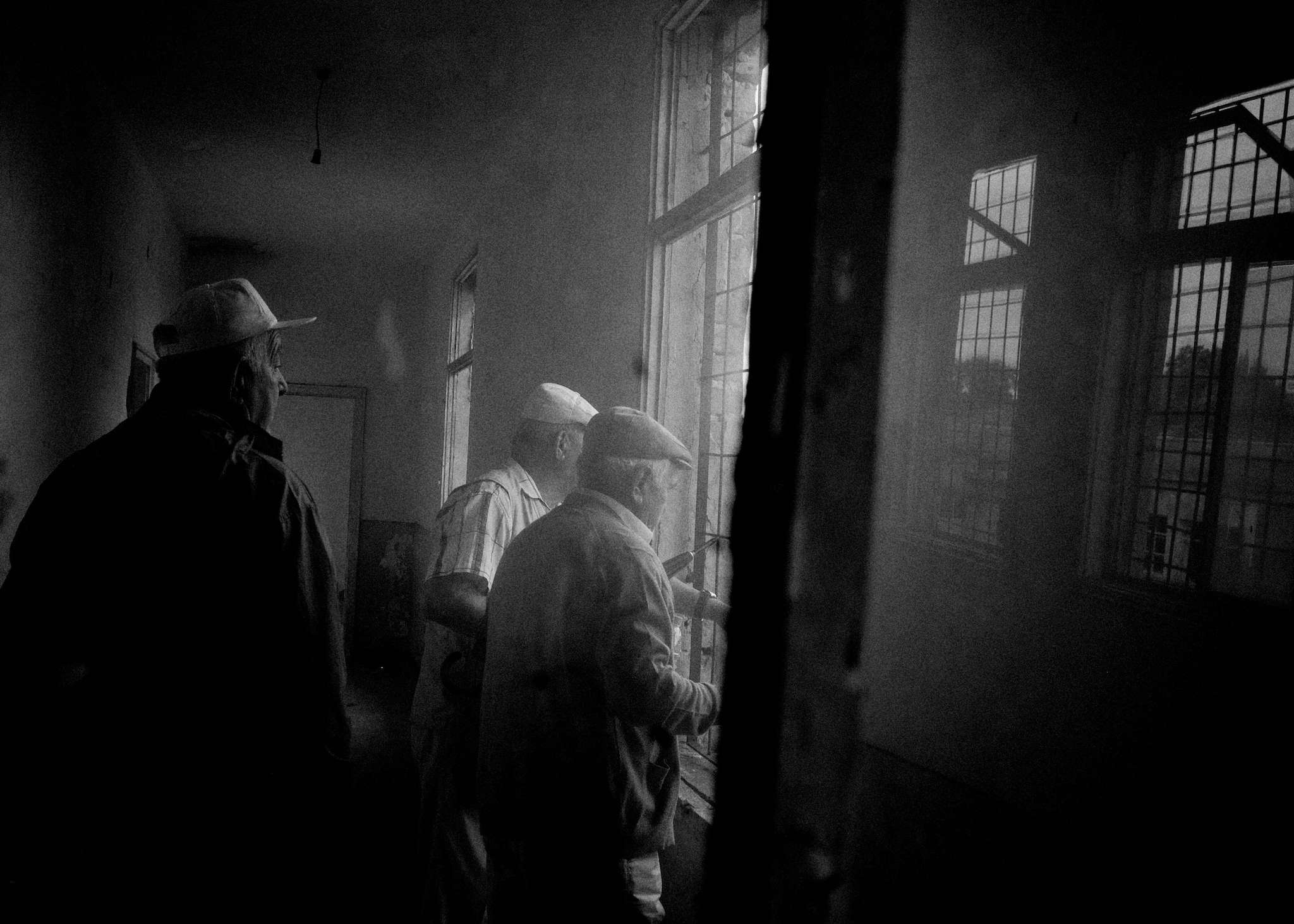
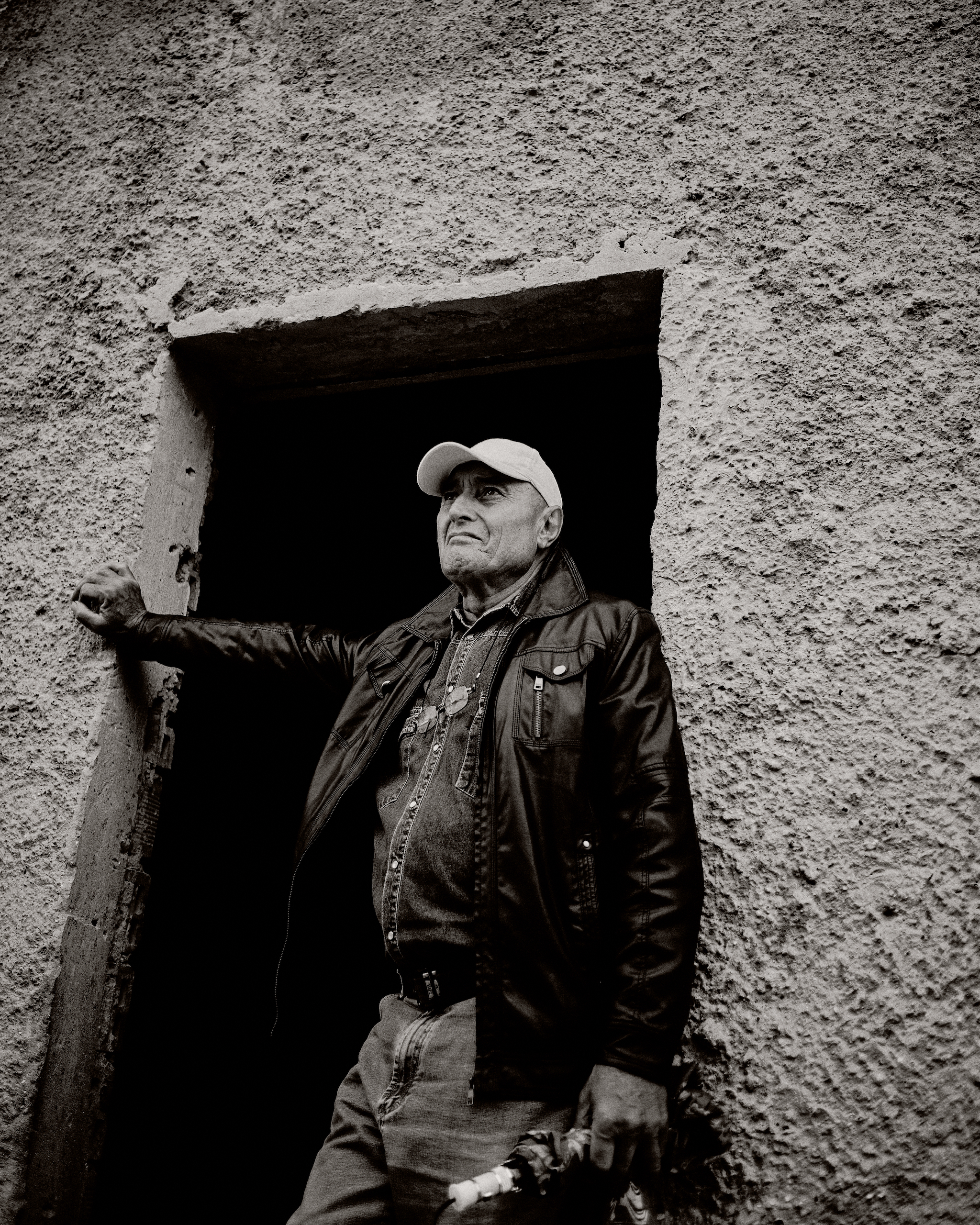
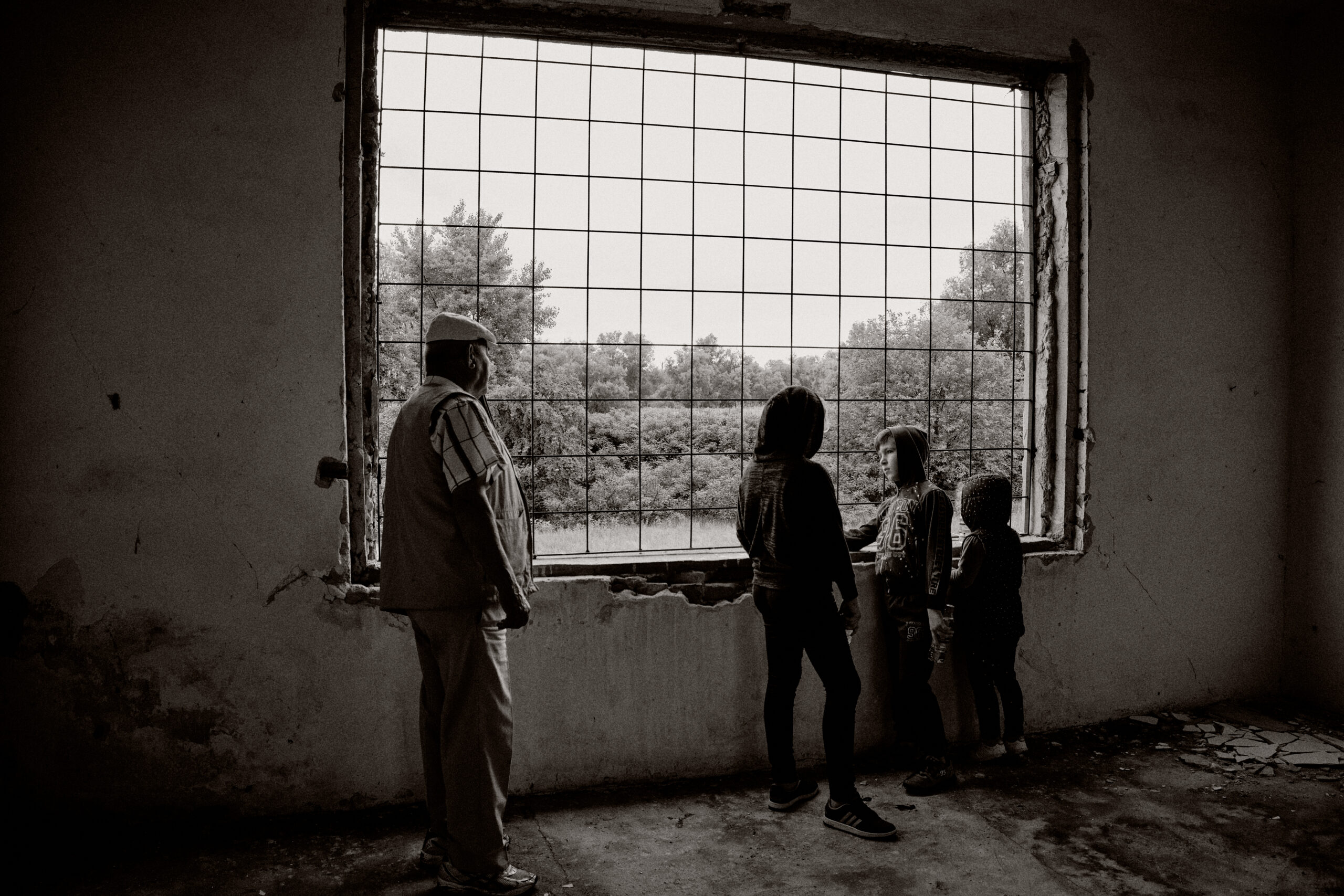
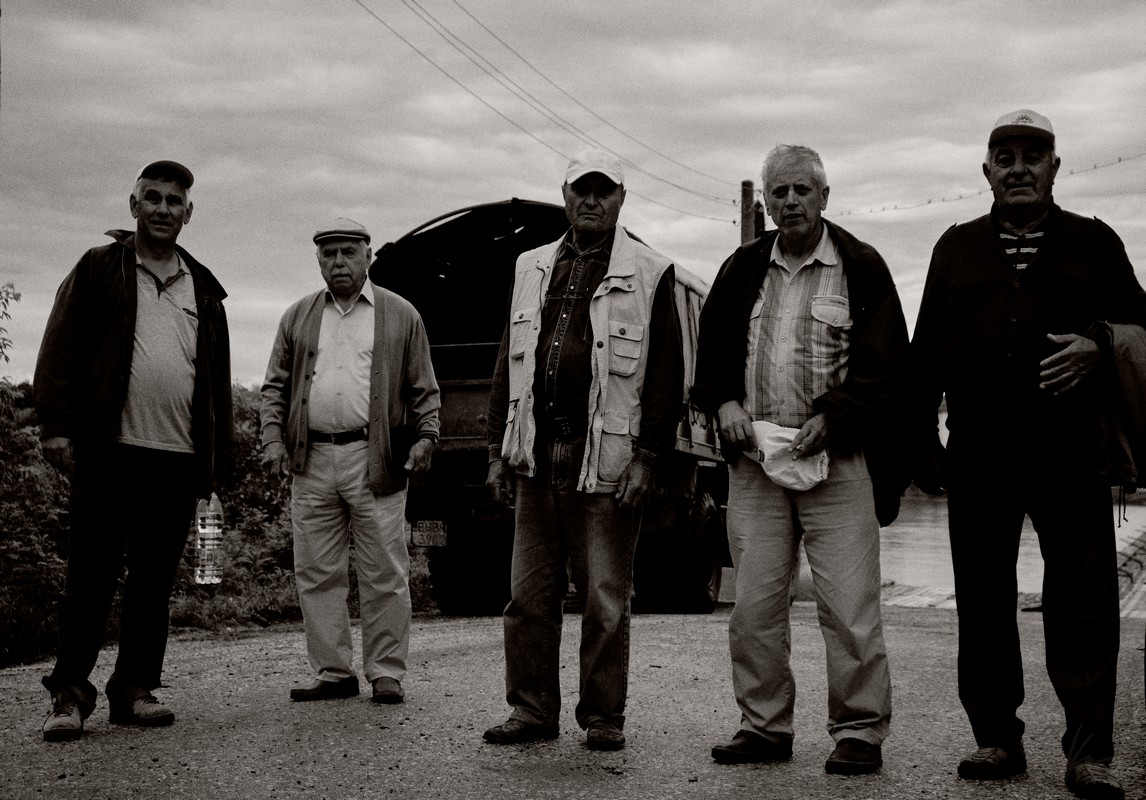
This project photographs an old friends which I took to the island after 35 years, actually some of them met after 35 years again... They couldn't recognize each other but they recognized each-other voices. Same place, same rooms, same memory for the horrors and crimes they witnessed.
Belene is therefore not only a historical site.
It is a question about memory.
What happens when physical evidence disappears?
What happens when witnesses become fewer?
What happens when the landscape becomes beautiful again?
And how do we remember a crime committed in a place that now appears silent?
The island has changed. Nature has returned. But the history has not disappeared.
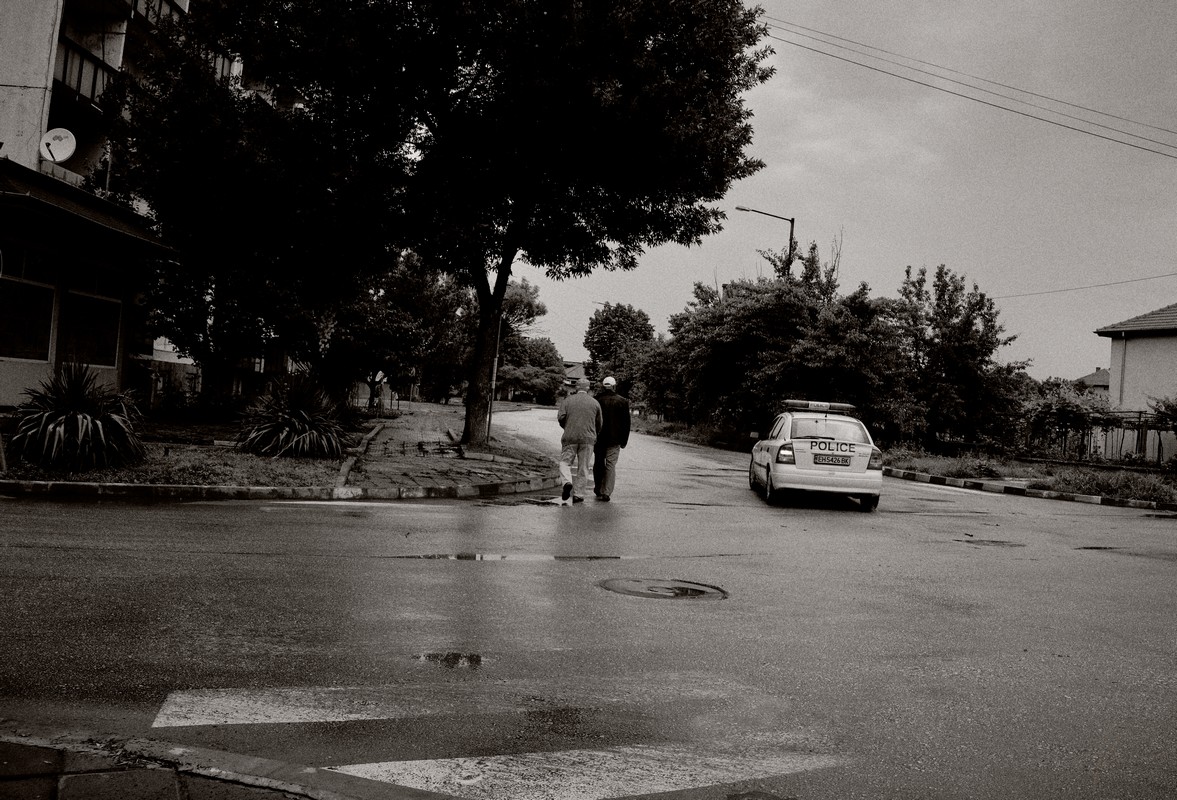
These photographs are an attempt to look at that distance — between what happened here and what can still be seen.
Belene is a project about absence, memory and the physical landscape of repression.